You need to prepare yourself mentally for your first job interview, and learn the steps we will write here to make it a huge success. Imagine that we will discuss all the things that you need to know when going for an interview. How to Crack First Job and First Interviews ,First, we will write down what is needed, then we will write in detail.
How to Crack Interviews and Get Your First Job interview questions
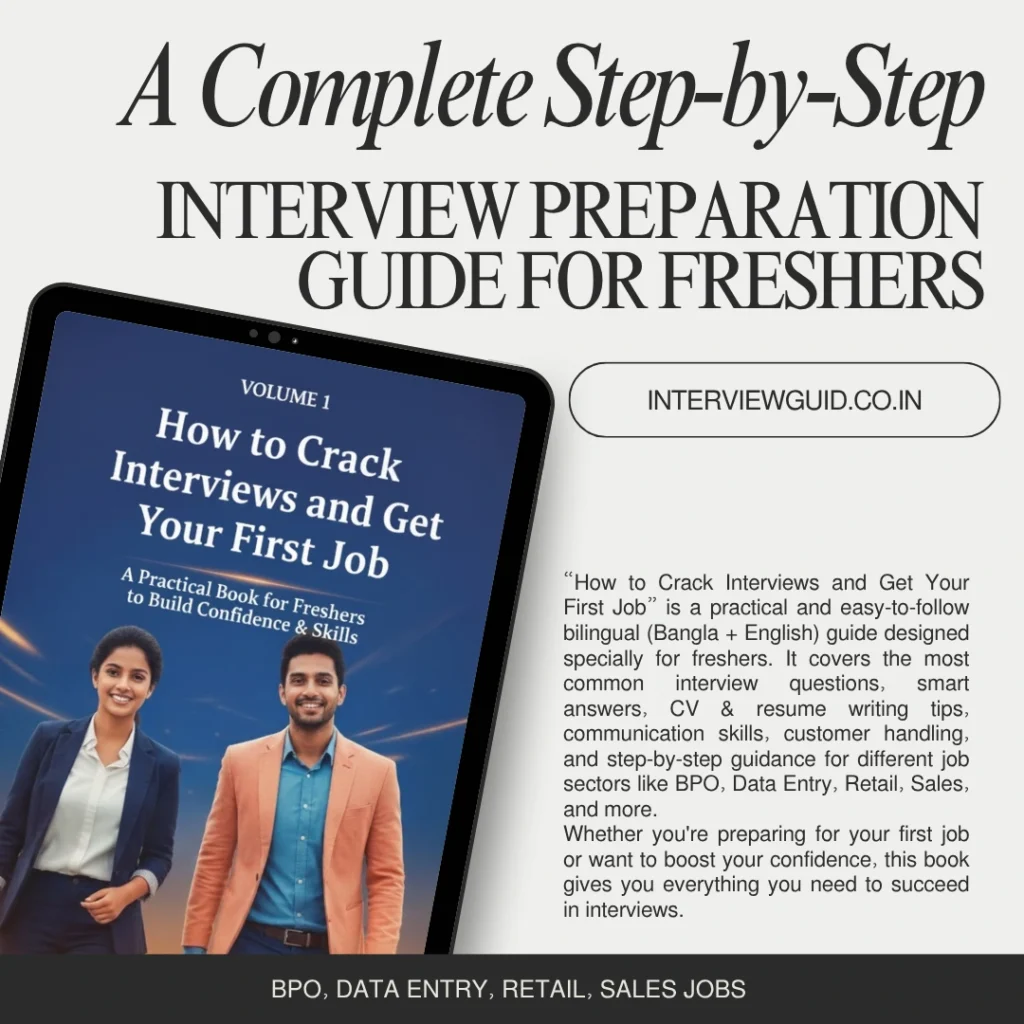
- How to build a strong resume with limited/without experience
- prepare for HR and technical interview questions
- How to communicate confidently and make a great first impression
- What mistakes to avoid in your first interviews
- Tips to follow up and grow your career after getting the job
Whether you are a fresh college graduate or a first-time job interviewer, this entire article will be useful to you. Be confident and follow the tips to boost your confidence and you will be successful.
How to Build a Strong Resume (Even With No Experience)
Mention what you Education, what projects you did during your studies, what coursework you did. Mention all of these. If you have had any internships or part-time jobs, or where you have done volunteer work, mention them all. If you know any soft skills and technical skills, mention them all. Personal or college projects that show initiative If you are going for an IT job or a tech job, then your GiftHub link, portfolio, and links will all be included in your resume.
Know the Common Questions
✅ HR questions:
- Tell me about yourself
- Why do you want this job?
- What are your strengths and weaknesses?
- Where do you see yourself in 5 years?
- Tell me about a challenge you overcame.
✅ Technical / Role-related:
- Basic subject or software knowledge
- Scenario questions (“How would you solve…”)
- Project-based questions (“Tell us about your final year project”)
✅ Behavioral:
- “Give an example when you worked in a team.”
- “Describe a time when you learned something new quickly.”
Understand What Employers Want
Basic Technical Skills (for the role)
You don’t need to be an expert — but you must understand the fundamentals of your field. For example, if it’s an IT role, know the basics of programming, networking, or databases. If it’s a sales or admin role, know how to use common software tools. Employers just want to see that you have a foundation to build on.
Eagerness to Learn
Companies love candidates who are curious and open-minded. Show that you’re willing to grow, take feedback positively, and keep improving your skills. This attitude often matters more than what you already know.
Good Communication and Teamwork
Even in technical jobs, teamwork is essential. You’ll need to express your ideas clearly, listen to others, and cooperate with teammates. Good communication shows that you can fit into the company culture and work smoothly with others.
Professional Attitude and Reliability
Be punctual, respectful, and responsible. Employers value people who take their work seriously and can be trusted to complete tasks on time. A positive, professional attitude leaves a lasting impression.
Show employers that you can learn fast, work well, and fit in with their team. You may not know everything yet — but if they see that you’re eager, capable, and committed, they’ll believe in your potential.
Create a Simple, Professional LinkedIn Profile
The photo you provide should be as good as possible and you should have a short headline that says you are a computer science graduate or software developer. Include a short about section in your resume, detailing what you learned and where you contributed, and showcase any project skills you have.
Research Companies
First, what does the company you are going to work for work like? I mean, do a full research on that company. Because the company you are going to work for doesn’t ask many questions in the interview.
- What They Do
Visit the company’s official website or social media pages to learn about their products, services, and goals. Understand the industry they work in — whether it’s IT, finance, marketing, government, or something else. Knowing what the company actually does helps you connect your skills to their needs. - The Job Role
Carefully read the job description. Understand what responsibilities come with the position, what skills are required, and what kind of tasks you might handle daily. When you know this, you can highlight the right skills and experiences during your interview. - Their Projects or Clients
Learn about the type of work they do — what kind of projects they handle or who their main clients are. You can find this on their website, LinkedIn page, or in news articles. If you mention one of their recent projects or achievements during your interview, it shows that you’ve done real research and are truly interested.
Doing this background study gives you a huge advantage when you’re asked the common interview question:
“Why do you want to work here?”
Instead of giving a generic answer, you’ll be able to say something specific like:
“I’m really impressed by the innovative projects your company is doing in [specific area], and I’d love to be part of that team.”
This makes you stand out as someone thoughtful and genuinely motivated — not just someone who’s applying everywhere.
Practice Mock Interviews
- Record yourself answering questions
- Practice with a friend
- Use STAR Method for situational answers:
- Situation – what happened
- Task – what was your role
- Action – what you did
- Result – what was the outcome
Prepare Your Own Questions
At the end, you’ll often be asked:
“Do you have any questions for us?”
Ask something smart like:
- “What does a typical day look like for a new hire?”
- “What skills should I focus on to grow in this role?”
Step 4: Presentation and Communication
- Dress neatly (not overdressed)
- Greet politely, maintain eye contact, and smile
- Be honest — never fake answers
- Listen carefully before responding
- Keep answers concise (30–90 seconds)
#interviewguide